Better moves, fewer free pieces
A tempting jump is easy to spot. The reply after it is where the game gets interesting. Use these habits to keep your pieces working together and give your next move a purpose.
These tips follow OnlinePuzzle’s casual 8×8 rules: captures are optional, a jump sequence can end early, and crowning ends the turn. Win by taking every opposing piece or leaving your opponent with no legal move. Being blocked is a loss, not a skipped turn.
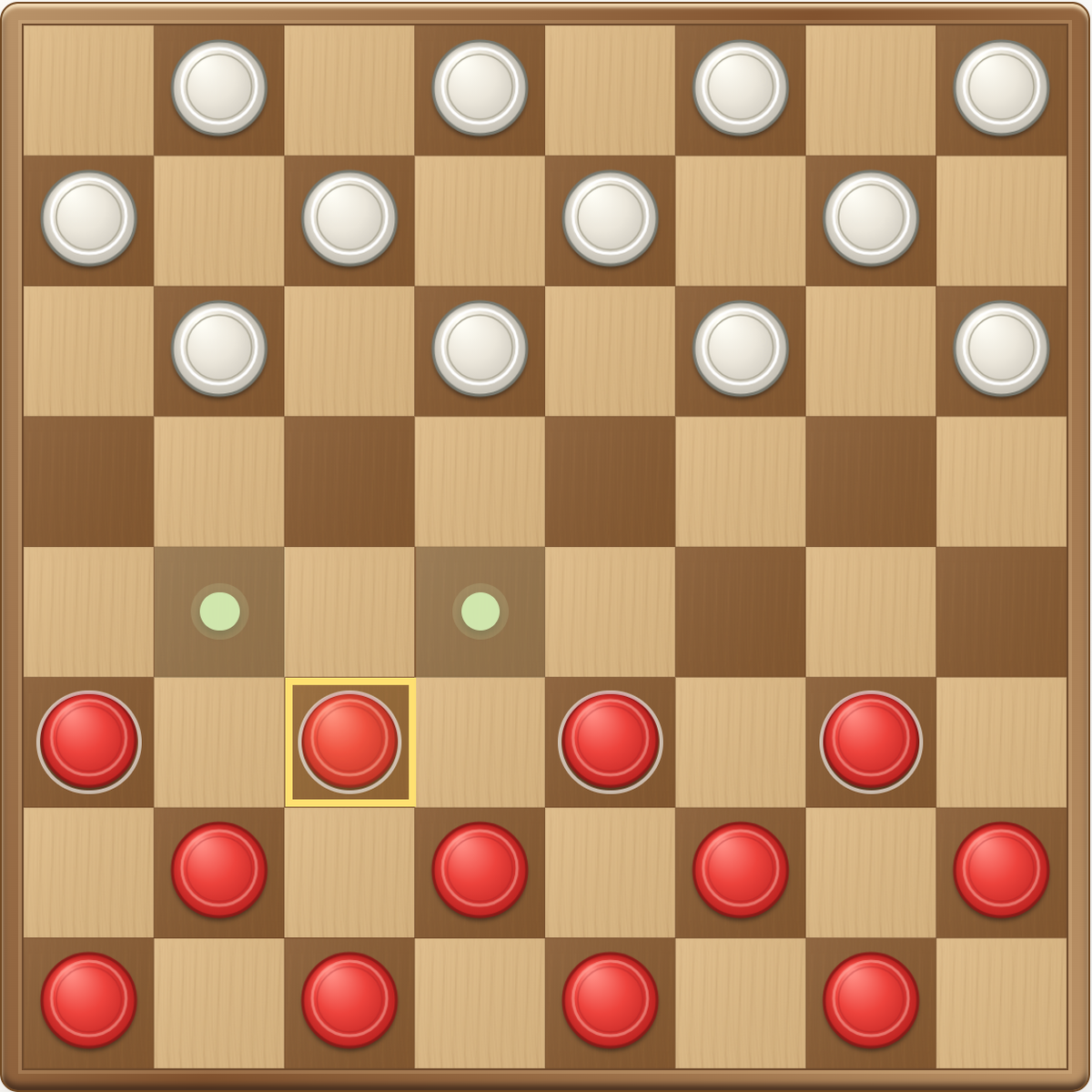
1. Develop a team, not a lone explorer
Bring several pieces forward with support instead of racing one piece into enemy territory. A useful formation covers the landing squares an opponent would need for a jump. Nearby pieces do not automatically protect each other: ordinary pieces can move and capture only forward. Check whether the supposed defender can actually recapture.
2. Look past the first jump
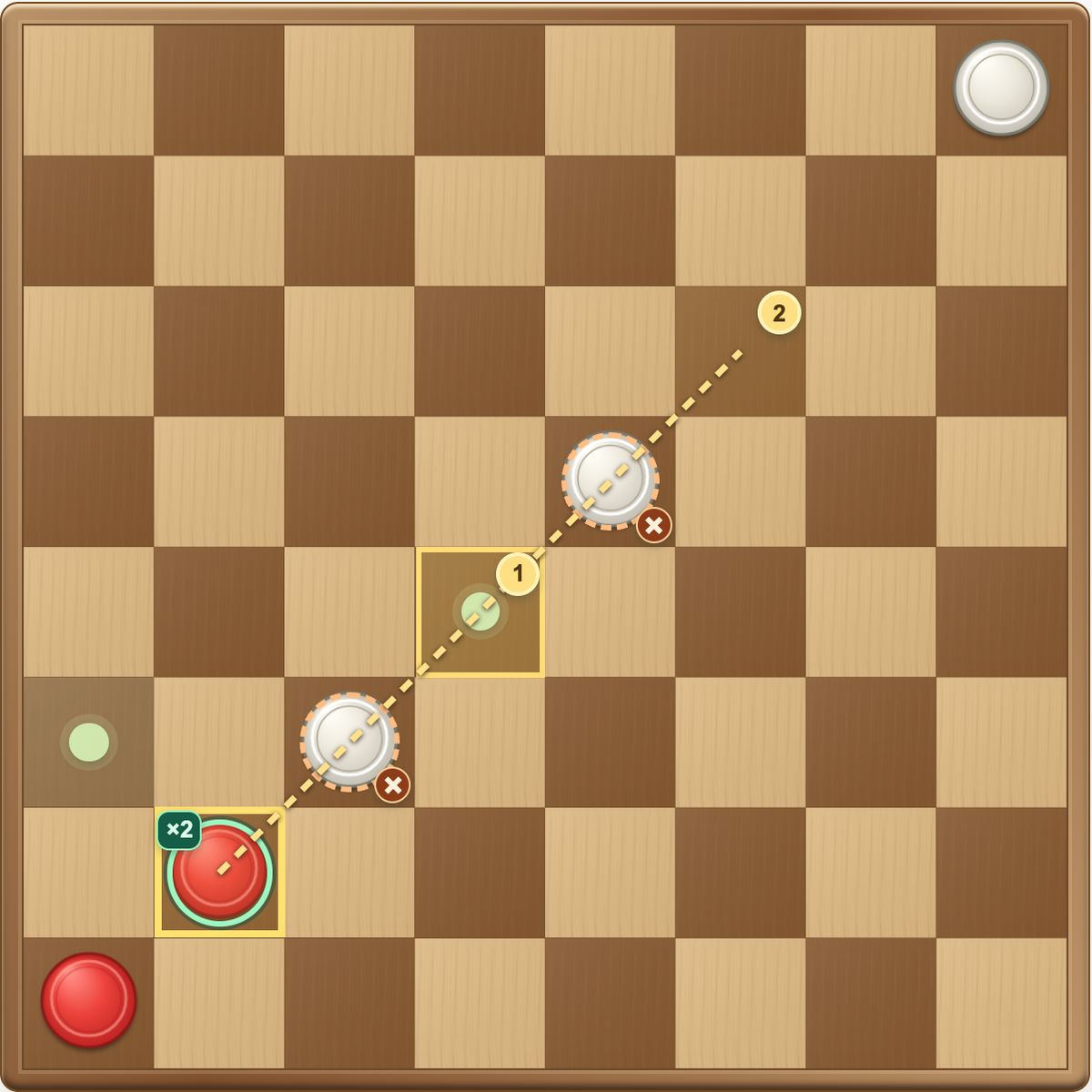
Before capturing, find your landing square and check the opponent’s reply. The edge can reduce the directions of attack, but staying there forever can leave you short of useful moves. On this site you may choose a normal move instead of a capture. Compare both rather than grabbing the first piece you see.
3. Keep a back-row guard—with a plan to release it
A piece on your home row occupies a square where an opposing piece might crown. Keep useful guards while a promotion threat exists, but do not freeze the entire row throughout the game. Develop a guard when the route is safe or when keeping it back would trap your own pieces.
4. Trade for what the position needs
When ahead in material, equal trades can make the remaining position easier to handle. They are not automatically good: check whether the trade gives away a king, opens an enemy promotion route or blocks your remaining pieces. Offering one piece to win two can work only if the opponent accepts and the whole sequence is sound. Because captures are optional here, a sacrifice does not force the computer to take it.
5. Crown safely, then use the extra directions
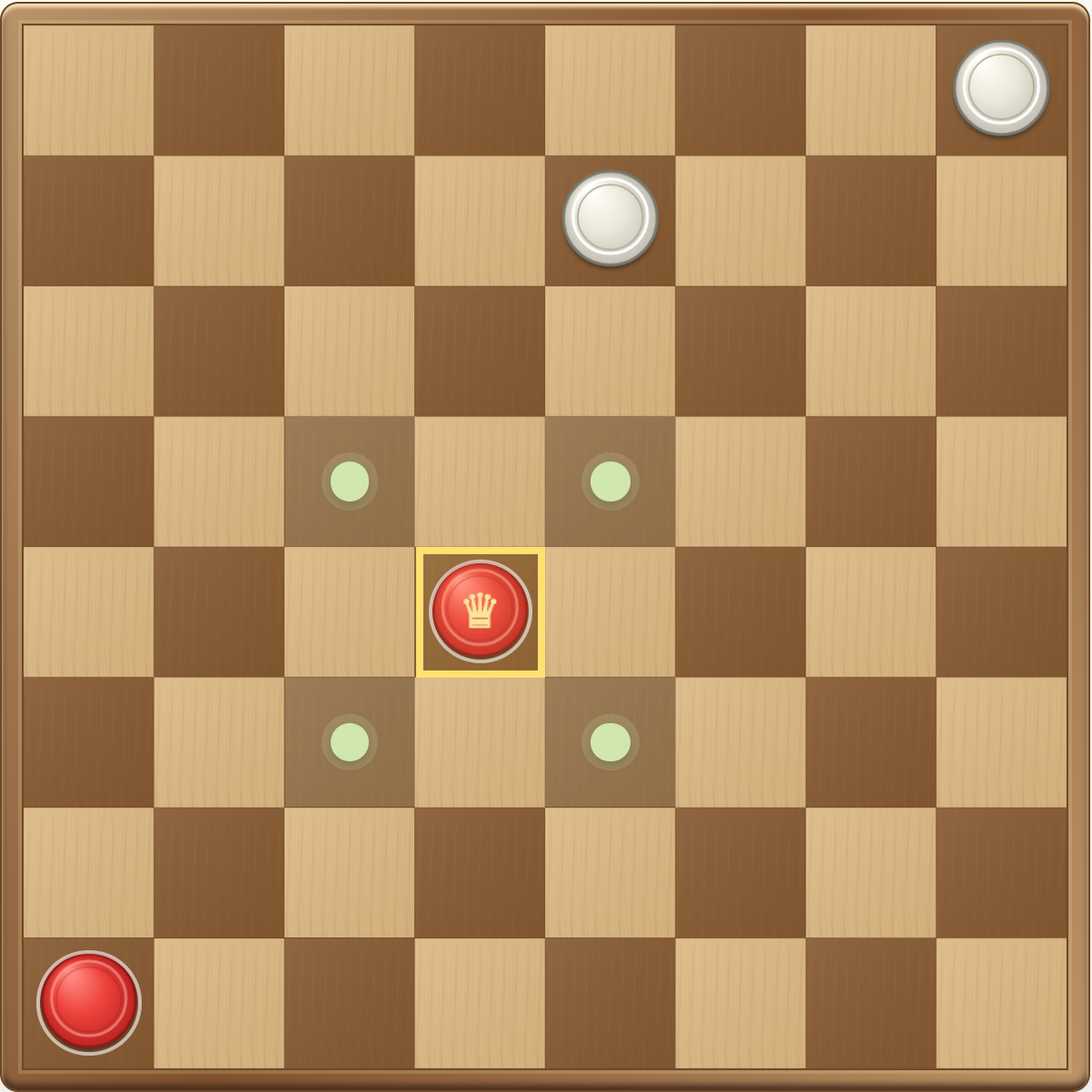
A king can move one diagonal square forward or backward and jump an adjacent opposing piece into the empty square immediately beyond it. It does not slide across the board. Aim to crown without losing several pieces on the way, and inspect the opponent’s next move before landing. A king is more flexible, not invulnerable.
6. Count moves as well as pieces
You can win without capturing the last piece if the opponent has no legal move on their turn. Look for ways to restrict their safe exits while preserving your own. Repeating moves forever does not guarantee a win: this game draws after the same position with the same side to move occurs three times, or after 80 individual turns without a capture or an ordinary-piece move. Use Hint to compare ideas and Undo to review a mistake; those games are recorded as assisted.
Before every move: where will I land, what can the opponent do next, and what changes if they decline my offered capture? Start on Easy, explain your choices, then raise the difficulty. No formation guarantees a win.